Intrusion Prevention Solutions for the Transport Sector
Protecting critical transport environments


Security Challenges Across Transport Infrastructure
Transport infrastructure plays a vital role in economic activity and public safety, making it a high-risk target for theft, vandalism and unauthorised access. Facilities such as depots, logistics hubs, rail yards, ports, airports and maintenance centres often span large areas, operate continuously, and house high-value assets. To address these challenges, ADI supports the transport sector with a comprehensive range of professional intrusion-prevention technologies, along with integration expertise and application-specific support.
Detection Technologies for Transport Environments
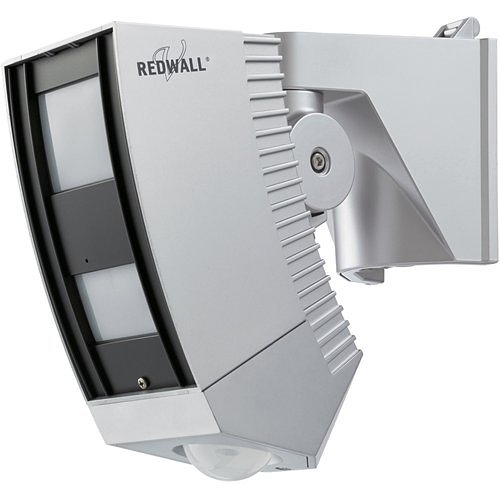
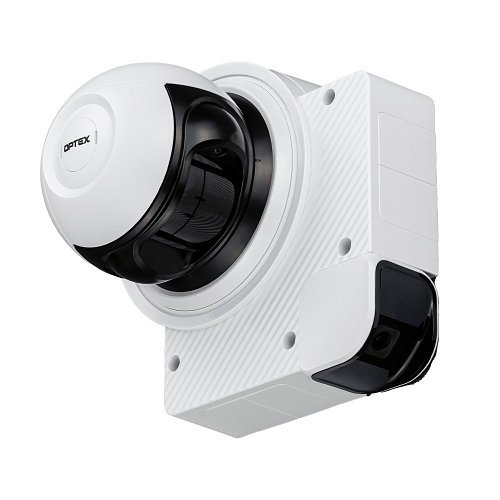
Intrusion prevention in the transport sector requires reliable detection across diverse and demanding conditions, including outdoor perimeters, high-traffic areas and remote locations. ADI supplies a broad portfolio of intrusion detection devices and system components designed to perform in these environments.
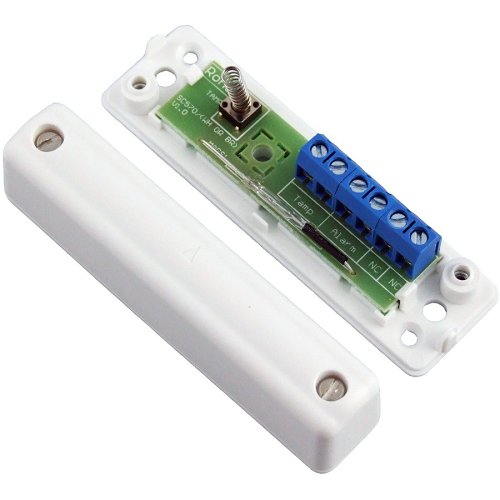
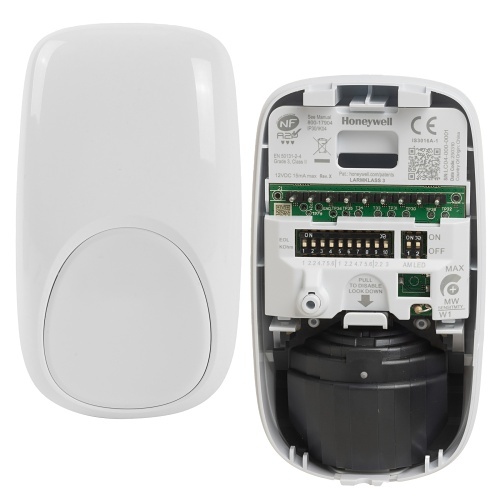
Core system elements include alarm control panels, communicators, motion detectors, perimeter sensors, door and gate contacts, vibration and shock sensors, and audible or visual alerting devices. These components can be combined to provide layered protection, covering both external boundaries and critical internal zones.
| Component Type | Primary Function | Typical Application |
|---|---|---|
| Alarm control panels | Process signals and manage alerts | Centralised security control |
| Motion sensors | Detect movement within spaces | Offices, corridors, storage aisles |
| Door/window contacts | Detect unauthorised opening | Entrances, emergency exits |
| Glass-break detectors | Identify forced entry via glazing | Offices, storefront areas |
| Shock or vibration sensors | Detect impact or tampering | Loading bays, warehouse doors |
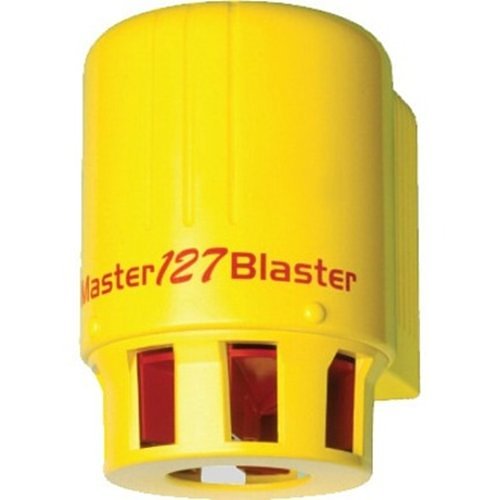
| Sirens and strobes | Provide audible and visual alerts | On-site deterrence |
| Wireless sensors | Flexible detection without cabling | Retrofits or temporary zones |
Integration Across Transport Security Systems
Intrusion prevention is most effective when deployed as part of a coordinated security ecosystem. ADI supports integrating intrusion detection with complementary systems, such as video surveillance, access control and remote monitoring platforms.
When integrated with CCTV, intrusion events can automatically trigger camera recording or live viewing, providing visual verification and reducing false alarms. Integration with access control systems enables automated responses, such as locking gates, restricting access to sensitive areas, or triggering alerts across a site.
As a distributor, ADI plays a key role in enabling multi-vendor system design and helping partners select compatible technologies that meet transport-sector requirements. This includes supporting solutions tailored to specific verticals such as rail, aviation, maritime and road transport.
Scalability is critical in transport environments, where infrastructure frequently expands or changes. Intrusion systems can be deployed in phases and adapted over time, allowing operators to enhance security without disrupting operations or replacing existing systems.
Frequently Asked Questions (FAQ)
Q1. Which transport facilities can ADI support?
ADI enables security systems for depots, rail yards,
ports, airports and logistics hubs.
Q2. Do these systems enable remote monitoring?
Yes. Many configurations integrate
with remote monitoring platforms, providing real-time
alerts and centralised control..
Q3. Can these systems scale for multiple sites?
Yes. Modular and phased deployments allow security networks to expand across depots,
terminals, or regional locations.
Q4. Are the systems suitable for outdoor and high-traffic areas?
Yes. ADI-supported devices include rugged, weather-resistant and wireless options
designed for transport environments.
Q5. Can ADI help customise solutions for specific transport sectors?
Yes. ADI assists integrators with rail, aviation, maritime and logistics-specific
applications to meet operational and security needs

Modern control rooms have evolved into data-driven hubs that deliver real-time oversight, enhanced security, and operational efficiency for complex retail environments.
Read More
Selecting the right fire control panel is vital -it's the heart of the alarm system, detecting and managing fire events to protect lives and property.
Read More